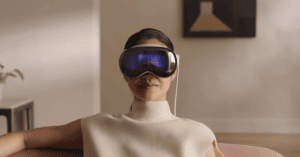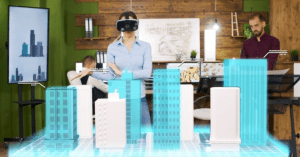
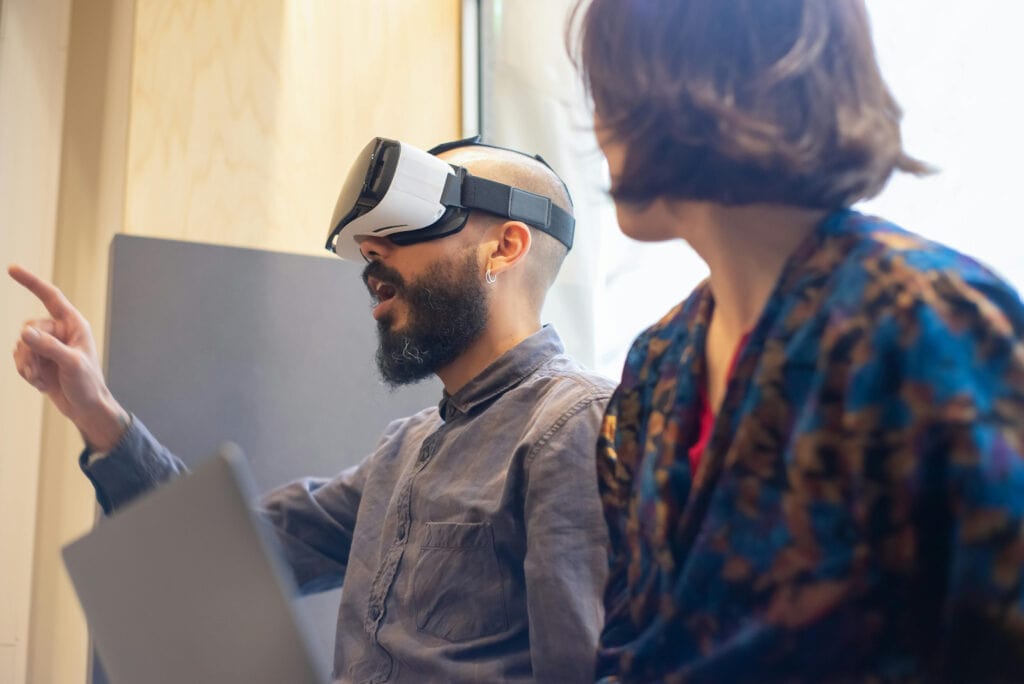
If you own a virtual reality headset, you probably use it for playing games or watching movies. You probably didn’t imagine using it for therapy, but it can help treat mental health issues. This article will cover the definition and benefits of virtual reality exposure therapy (VRET).
Virtual reality exposure therapy is a type of exposure therapy. It uses virtual reality (VR) to immerse patients in a 3D environment that feels extremely real. The goal is to reduce the intensity of the stress responses you might experience due to anxiety or fear.
Below, we’ll teach you how virtual reality exposure therapy works. We’ll also answer some questions you might have, such as what to expect on your first session.
What Is Virtual Reality Exposure Therapy?

Virtual reality exposure therapy (VRET) is a computerized type of exposure therapy.
To define VRET, you must first understand the meaning of exposure therapy. It helps patients address, process, and confront difficult fears and situations. It works by slowly exposing you to the source of anxiety until you overcome the phobia. Exposure therapy uses different techniques to break the cycle of fear and avoidance. These include virtual reality.
Virtual reality exposure therapy relies on virtual reality (VR) technology to help patients overcome their fears and anxiety. It exposes you to a controlled 3D environment where you’ll face difficult situations. The goal is to reduce stress triggers from the feared object or scenario until you’re ready to confront the real thing.
What Can Virtual Reality Therapy Help With?
Virtual reality exposure therapy can treat patients suffering from the following:
- Phobias
- Social anxiety disorder
- Posttraumatic stress disorder (PTSD)
- Panic disorder
- Obsessive-compulsive disorder (OCD)
- Generalized anxiety disorder
- Traumatic brain injury
VRET mimics fears and triggers you may have through a VR headset. It exposes you to realistic sights, sounds, smells, and vibrations of the stressful or traumatic environment. For example, if you have acrophobia or fear of heights, VRET can transport you to the top of the building. A licensed therapist will work with you to help ease your fears.
Who Is a Candidate for Virtual Reality Therapy?

Virtual reality exposure therapy is a great treatment option for those with some form of anxiety disorder. It helps you gain control of the distress you may feel about a specific situation or object.
VRET is also a good option for people with phobias. It slowly exposes you to the source of your fear in a safe, controlled environment. It lets you control the length and intensity of every experience, so you don’t feel oversimulated.
VRET can even help those suffering from grief and loss. Virtual reality headsets can transport you to a peaceful and relaxing environment to help ease chronic pain.
However, virtual reality therapy isn’t automatically suitable for everyone with the aforementioned conditions. For example, if you have vertigo or a history of seizures on top of anxiety, VRT may not be the best fit. It can make you dizzy, ultimately leading to an unsatisfying experience.
What Can You Expect During a VR Therapy Session?

Before you begin virtual reality exposure therapy, you will likely have a consultation with a therapist. This will determine if you’re an ideal candidate for this treatment type.
Once the mental health professional deems you eligible for VRET, you can take a biopsychosocial assessment. Doing so helps the therapist learn more about your situation and goals.
The next step is treatment planning, where you’ll learn more about the therapy sessions. It is a great opportunity to express concerns or ask questions.
After clarifying everything, you can now begin the treatment. During a VRET session, you might sit in a quiet room and wear a VR headset. You can immerse in a virtual environment that triggers your fear, anxiety, or trauma.
Your therapist can see what you’re seeing in the VR headset. They can guide you through the session and adjust the intensity of the experience as needed. They can also control the length and frequency of treatment depending on your progress.
Is VR Therapy Effective?
Research regarding the effectiveness of VR therapy is limited. However, it has become more accessible and studied within the past decade due to the rise of virtual reality gear.
In fact, some case studies prove that VR therapy can effectively treat various mental health conditions, including anxiety disorders.
Although only a few patients undergo exposure-based therapy, data suggests that VRET can help them confront worst-case scenarios. It helps reduce symptoms surrounding anxiety and avoidance, so they can live without fear.
Another study further established that VRET enhanced PTSD treatment. It is just as effective as other psychotherapies. Plus, it is better than waitlist control groups.
Virtual reality therapy also decreases the symptoms of phobia. One case study revealed that VRET helped patients face their fear of catching COVID-19. It gradually exposed them to possible scenarios until they overcame their aversion to the virus.
Why Does Virtual Reality Exposure Therapy Work?
VRET shows positive results because it enables patients to confront their fears in a controlled environment. It allows them and the therapist to decide on the intensity and length of sessions.
Similar to traditional prolonged exposure treatment, VRET teaches you how to cope with negative feelings. It helps you reframe your mindset about the traumatic event or thing.
Virtual reality therapy also provides the ability to tackle a phobia that is inaccessible in the real world. For example, if one has a fear of flying, it is impractical and expensive to ride an actual airplane. VRET easily transports the patient to a 3D world where they’re inside a plane. It allows you to address your problems without traveling.
What Are the Benefits of Virtual Reality Exposure Therapy?
VR exposure therapy offers several benefits to patients.
First, it gives you a sense of control over your fear or phobia. It allows you to start, stop, or slow down the experience based on your tolerance.
VRET is also a great treatment for those who lack access. It can help you address mental health issues without leaving home and going to an in-person session. It suits those with disabilities, without proper child care, or who live in rural areas.
VR therapy can also be cost-effective. Although VR headsets and devices are expensive upfront, they prevent the need to travel for real-life exposure. Instead, they automatically create an immersive experience where you can face your fears. They help save money, especially if your phobia is not easily accessible, such as flying.
Lastly, VRET has long-lasting benefits. Several studies showed that symptoms related to anxiety and PTSD remain low at follow-up therapy sessions.
What Are the Challenges of VRET?
Virtual reality exposure therapy also comes with its set of challenges.
First, VRET technology is not yet readily available for mental health professionals. The headset, software, and apps can be overwhelming to learn if you’re a first-time user. That is why some therapists still prefer traditional exposure-based therapy. This lack of training prevents VRET from growing successfully.
There are also misconceptions surrounding VRET. Many professionals tend to favor in-person treatment. They like to rely on human judgment to measure mental well-being instead of a computer.
Virtual reality devices can also be expensive. One headset can cost you around several hundred dollars. Some VR apps even require payment, which increases your expenses.
Conclusion
Virtual reality isn’t only designed for gaming or watching movies. It can also treat mental health issues, such as anxiety disorders, phobias, and PTSD. Virtual reality exposure therapy, or VRET, is the correct term for this application. It uses VR technology to expose patients to the source of fear, eventually making them fit to confront it.
Did this article answer your questions? If you have further queries, you can send a message via our contact page!